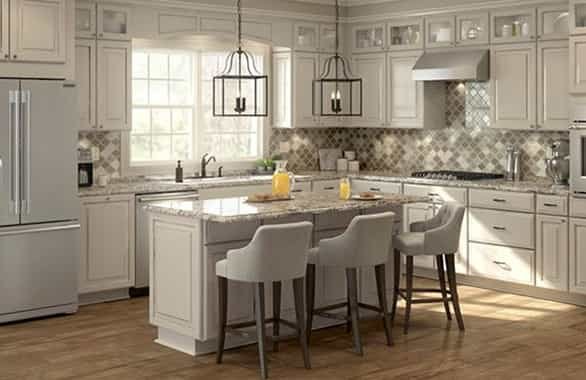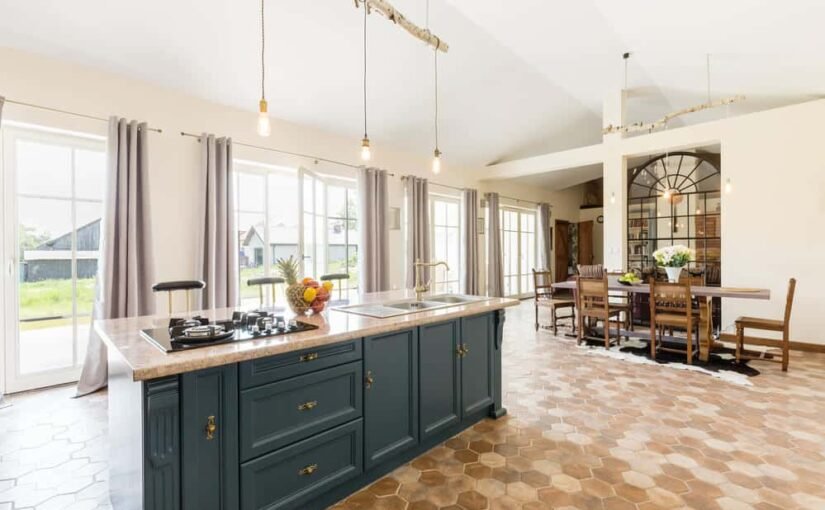
The kitchen is a place that has humidity due to cooking, and it gets wet faster because of washing kitchen appliances. The kitchen floor gets a lot of wear and tear. In this space between spills and drips, heat and spilled dishes, as well as the constant walking, flooring needs to deal with multiple hazards and look good while doing it.
So, not every material is suitable for this space, and some kitchen flooring options will last longer and require less maintenance than others. Balancing style, performance and comfort is the key to making the right choice. In the following, I have brought the most suitable flooring for the kitchen room.
The Most Suitable Flooring For The Kitchen
Here are some different kitchen flooring options to consider for one of the most high-traffic areas of your home.
Solid Hardwood Flooring for Kitchens – Durable & Elegant Choice
Solid wood or hardwood in nature is a very durable flooring material in most areas of the home. But, for many years, hardwoods were considered a poor choice for bathrooms and kitchens, where moisture is often an issue.
The perception of hardwood floors has changed a bit to modern sealants and polyurethane coatings, which make the material more durable and last longer for moisture-prone areas.
You should still be careful in choosing wooden floors for your kitchen. Whether it’s solid wood planks or engineered wood flooring with hardwood veneers, this material will naturally be more prone to moisture and stain problems than other flooring materials. Here are some other advantages and disadvantages of hardwood in the kitchen:

Solid Wood Flooring in the Kitchen: Features, Advantages, Disadvantages & Notes
| Features | Advantages | Disadvantages | Note / Comment |
|---|---|---|---|
| Natural Hardwood Material | Adds timeless elegance and beauty | Can warp or swell when exposed to moisture | Best used in kitchens with proper sealing and controlled humidity |
| Durable and Long-Lasting | Can be refinished multiple times, extending lifespan | Requires periodic sanding and refinishing | Proper care can make solid wood last decades |
| Warm & Inviting Appearance | Adds warmth and natural charm to kitchen interiors | Susceptible to scratches, dents, and stains | Use rugs or mats near sinks and cooking areas |
| Eco-Friendly & Sustainable | Made from renewable natural resources | May discolor with direct sunlight exposure | Choose sustainably sourced or FSC-certified wood |
| Versatile Design Options | Complements both modern and traditional kitchens | Higher cost compared to laminate or vinyl | Wide range of wood species and finishes available |
| Comfortable Underfoot | Softer and warmer feel than tile flooring | Not ideal for very humid or spill-prone zones | Ideal for open-concept kitchens with dining space |
| Customizable Finishes | Can be stained, polished, or sealed to match décor | Needs sealing and maintenance to prevent damage | Regular cleaning and resealing preserve appearance |
Add timeless beauty to your kitchen with hardwood floors! Contact The Flooring and Remodeling Shop today for expert hardwood installation in Plano, Frisco, McKinney, and Allen, TX.
➤ Summary of using hardwood floors: Wooden floors in the kitchen change over time and deteriorate to some extent because they are splashed and stained. But, if you like a heavy-duty floor, you might prefer hardwood in the kitchen.
Bamboo Flooring for Kitchens – Eco-Friendly and Moisture-Resistant Option
Bamboo flooring looks and feels like hardwood, but it’s actually harder than hardwood. It can look different depending on its color, grain and design. The production process of turning bamboo into flooring makes this material more resistant to moisture and water damage.
Nowadays, bamboo flooring is becoming an increasingly popular choice for kitchens because it is significantly more durable than wood.
Bamboo flooring can be somewhat more expensive than hardwood. It is also more difficult to smooth again because there is no natural grain direction to the material. While it may be possible to clean bamboo floors, it usually requires the help of a professional to do so.
Bamboo Flooring in the Kitchen: Features, Advantages, Disadvantages & Notes
| Features | Advantages | Disadvantages | Note / Comment |
|---|---|---|---|
| Eco-Friendly Material | Made from a rapidly renewable resource that grows quickly | Some bamboo is harvested or processed unsustainably | Look for certified sustainable or low-VOC bamboo flooring |
| Durability | Strand-woven bamboo is as hard as oak and highly resilient | Can dent under heavy impact or sharp objects | Choose high-quality strand-woven bamboo for best results |
| Moisture Resistance | More moisture-resistant than hardwoods when properly sealed | Still vulnerable to standing water or high humidity | Avoid installing near sinks or dishwashers without sealing |
| Design Variety | Available in many shades, grains, and finishes | Color may fade with direct sunlight exposure | UV-resistant finishes help maintain color longer |
| Cost-Effective Option | More affordable than many hardwood alternatives | Cheaper products may contain weak adhesives or toxins | Select reputable brands with safety certifications |
| Easy Maintenance | Simple cleaning with a damp mop and mild cleaner | Harsh chemicals can damage the finish | Use pH-neutral cleaners designed for bamboo floors |
| Warm Aesthetic Appeal | Creates a cozy and natural ambiance in the kitchen | May not suit all interior styles or color palettes | Pairs beautifully with modern and eco-conscious designs |
Ceramic Tile Flooring for Kitchens – Durable, Stylish, and Water-Resistant Choice
Ceramic tiles are made from natural clay, and it is then shaped, glazed and fired under intense heat. It is a hard and durable flooring that is impervious to water and stains, which makes it an ideal choice for kitchen flooring. It is also resistant to heat and breakage. Under normal conditions, ceramic tile can last indefinitely without changing its appearance or performance over time.
Ceramic tiles are also available in many colors and designs and can take on the appearance of other materials such as wood and stone. So, manufacturers can make all shapes and sizes of ceramic floors to give you many design options.
If you can’t find ceramic tile in the color or pattern you want, it’s a good idea to look for similar products, such as porcelain tile, which is also a good material for kitchen floors, although it can be a little more fragile.

Ceramic Tile Flooring in the Kitchen: Features, Advantages, Disadvantages & Notes
| Features | Advantages | Disadvantages | Note / Comment |
|---|---|---|---|
| Durable Material | Highly resistant to wear, scratches, and heavy foot traffic | Can crack if heavy items are dropped on it | Choose high-quality tiles and professional installation to prevent cracking |
| Water and Stain Resistant | Excellent choice for moisture-prone kitchen areas | Grout lines can stain or absorb dirt if not sealed properly | Use a quality grout sealer and clean regularly |
| Heat Resistant | Perfect for high-temperature kitchen environments | Cold underfoot, especially in winter | Consider underfloor heating for added comfort |
| Design Versatility | Available in various colors, textures, and patterns | Trendy designs may age over time | Neutral tones and classic patterns stay timeless |
| Affordable Option | Budget-friendly and widely available in many styles | Installation can be labor-intensive and costly | DIY installation possible, but best results come from professionals |
| Easy Maintenance | Simple to clean with regular sweeping and mopping | Grout requires periodic resealing to prevent discoloration | Routine care helps maintain shine and hygiene |
| Long Lifespan | Can last decades with proper installation and maintenance | Hard surface may cause discomfort when standing long periods | Use cushioned mats in heavy-use kitchen areas |
Upgrade Your Kitchen with Durable Flooring!
Looking for the perfect blend of strength, style, and value? Contact The Flooring and Remodeling Shop for professional advice and expert installation in Plano, Frisco, McKinney, and Allen, TX.
Natural Stone Flooring for Kitchens – Timeless, Durable, and Luxurious Option
Natural stone is one of the most popular, durable options available for kitchen flooring. It represents luxury, and a kitchen with natural stone floors is often attractive to buyers when selling your home.
Different types of stone will have different properties such as hardness, scratch resistance and long term durability. The flooring options in this category are:

Granite Kitchen Floors – Strong, Elegant, and Long-Lasting Choice
It comes as tiles for flooring and slabs for countertops and is known for its attractive veining and durability when sealed and maintained for decades.
Marble Kitchen Floors – Classic Look with Refined Beauty
As a natural stone, marble is known for its fine veins, and polished properties. This stone is not resistant to scratch and stain.
Sandstone Kitchen Floors – Warm, Colorful, and Smooth Finish
It is known for its smooth and colorful appearance, but the truth is that sandstone doesn’t have a long life span.
Granite, Marble & Sandstone Flooring in the Kitchen: Features, Advantages, Disadvantages & Notes
| Material | Advantages | Disadvantages | Notes / Comments |
|---|---|---|---|
| Granite | Extremely durable and highly heat-resistant • Naturally resistant to scratches and stains • Luxurious and elegant natural appearance | Can be expensive and heavy to install • Requires sealing to prevent moisture absorption • Cold and hard underfoot | Ideal for busy kitchens that need long-lasting, premium flooring • Choose darker granite for easier maintenance • Use rugs or mats near sinks for added comfort |
| Marble | Timeless beauty with distinctive natural veining • Adds significant property value • Stays cool in warm climates | Porous surface prone to staining and etching • Needs frequent maintenance and sealing • Slippery when wet | Best suited for low-traffic or luxury kitchens • Avoid acidic cleaners to protect the surface • Use non-slip finishes or mats in key areas |
| Sandstone | Natural, earthy tones create a warm, rustic feel • Non-slip texture when naturally finished • Excellent thermal insulation properties | Softer and more porous than granite or marble • Can erode or wear with heavy use • Absorbs stains if not sealed properly | Perfect for rustic or farmhouse-style kitchens • Seal regularly to maintain durability • Ideal for moderate-use kitchens with low moisture exposure |
Elevate your kitchen with luxurious granite, marble, or sandstone flooring
Expertly installed by The Flooring and Remodeling Shop in Plano, Frisco, McKinney, and Allen, TX.
Vinyl Flooring for Kitchens – Affordable, Durable, and Easy-to-Maintain Option
Vinyl floor is one of the simplest and most versatile kitchen flooring solutions. This handmade material is virtually impervious to stains, damage and water issues. Cleaning it with a quick sweep, mop or vacuum will keep the floor clean.
Vinyl is one of the cheapest and most suitable materials for kitchen flooring. It’s a popular choice for busy, high-traffic kitchens, especially those with a lot of family use.
If you’re used to older styles of sheet or tile vinyl flooring, you’ll be happy to learn about Luxury Vinyl Flooring. This new generation of vinyl flooring is available as tiles and boards.
High-quality materials can last up to two decades and come in styles that can mimic wood or stone in remarkably convincing ways. In most cases, homeowners choose this type of flooring for their luxury homes.

Vinyl Flooring in the Kitchen: Features, Advantages, Disadvantages & Notes
| Features | Advantages | Disadvantages | Notes / Comments |
|---|---|---|---|
| Water Resistance | Excellent resistance to spills and moisture | Edges can peel if water seeps underneath | Ideal for kitchens and high-moisture environments |
| Comfortable Underfoot | Soft and cushioned surface reduces fatigue | Can dent under heavy furniture or appliances | Great for areas where you stand for long periods |
| Variety of Designs | Available in wood, stone, and tile looks | Printed patterns can fade over time | Choose high-quality vinyl with UV protection |
| Affordable and Cost-Effective | Budget-friendly compared to hardwood or tile | Lower resale value than natural materials | Perfect option for quick, low-cost kitchen upgrades |
| Low Maintenance | Easy to clean and maintain with regular sweeping and mopping | Susceptible to scratches from sharp objects | Use felt pads under furniture and avoid harsh cleaners |
| Noise Reduction | Naturally absorbs sound, reducing noise in busy kitchens | May require underlayment for better insulation | Ideal for open-concept homes or apartments |
| Easy Installation | Quick installation — available in peel-and-stick or click-lock planks | Uneven subfloors can cause gaps or lifting |
Cork Flooring for Kitchens – Comfortable, Eco-Friendly, and Antimicrobial Choice
Cork flooring is actually a growing choice for kitchens. Although it is water resistant, it is not waterproof which can make people think that it is not suitable for their kitchen flooring. However, if your cork floor is properly sealed, it can repel water effectively – in fact, it can even be used as bathroom flooring.
Cork is also a great choice in kitchens due to its antimicrobial and hypoallergenic properties, which means it can repel allergens including bacteria, insects such as dust mites, molds and even rodents. Finally, you use it over underfloor heating.
Cork Flooring in the Kitchen: Features, Advantages, Disadvantages & Notes
| Features | Advantages | Disadvantages | Notes / Comments |
|---|---|---|---|
| Eco-Friendly Material | Made from renewable cork bark — a sustainable resource | Can fade in direct sunlight | Ideal for eco-conscious homeowners looking for green options |
| Soft & Comfortable Underfoot | Naturally cushioned and reduces strain when standing | Prone to dents from heavy furniture or sharp objects | Great for kitchens where you spend long hours cooking |
| Noise & Thermal Insulation | Provides excellent sound absorption and warmth | May expand or contract with humidity changes | Maintain stable indoor humidity to prevent gaps |
| Water Resistance (When Sealed) | Resistant to minor spills and moisture | Can swell or stain if exposed to standing water | Apply protective sealants regularly for kitchen use |
| Easy Maintenance | Simple to clean with mild soap and water | Requires periodic resealing for durability | Avoid harsh chemicals to maintain natural finish |
| Aesthetic Appeal | Unique texture and warm tones create a cozy atmosphere | Limited design variety compared to vinyl or tile | Pairs beautifully with rustic, bohemian, or natural interiors |
| Durable with Proper Care | Can last 10–25 years with good maintenance | Not ideal for heavy-use or commercial kitchens | Best for moderate-traffic kitchens with proper sealing |
Finally, Which Floor Covering Is Ideal For Your Kitchen?
In this article, we have tried to give you as much as valuable information about the most popular flooring for kitchen rooms. Now, you can decide which one will be the best choice for you. However, I personally recommend you to use granite for your kitchen flooring.
Kitchen Flooring Comparison: Features, Advantages, Disadvantages & Best Use Notes
| Material / Features | Advantages | Disadvantages | Notes / Best Use |
|---|---|---|---|
| Solid Wood Flooring | Elegant, warm look; can be refinished multiple times | Sensitive to moisture; requires regular sealing | Best for open kitchens with good ventilation — not ideal for wet areas |
| Bamboo Flooring | Eco-friendly, durable, and more water-resistant than hardwood | Can swell with moisture; inconsistent quality among brands | Great sustainable option for modern, medium-use kitchens |
| Ceramic Tile Flooring | Waterproof, heat-resistant, easy to clean | Feels cold and hard; grout requires maintenance | Best overall choice for high-traffic, spill-prone kitchens |
| Granite Flooring | Extremely strong, heat and scratch-resistant | Heavy, expensive, requires sealing | Ideal for luxury kitchens — durable and long-lasting with maintenance |
| Marble Flooring | Timeless, elegant appearance; adds property value | Porous, stains easily, slippery when wet | Best for premium, low-traffic kitchens with regular care |
| Sandstone Flooring | Natural, warm, rustic aesthetic | Softer, more porous, absorbs stains | Great for rustic or farmhouse kitchens, with regular sealing |
| Vinyl Flooring | Water-resistant, affordable, cushioned comfort | Can dent or fade; lower resale value | Top pick for budget-friendly remodels — great water protection |
| Cork Flooring | Soft underfoot, eco-friendly, sound and thermal insulation | Needs sealing; can fade or dent | Best for eco-conscious homes and comfort-focused kitchens |
Summary Recommendation:
- ➤ Best Overall for Kitchens: Ceramic Tile Flooring.
- ➤ Best Budget Option: Vinyl Flooring.
- ➤ Best Eco-Friendly Choice: Bamboo or Cork Flooring.
- ➤ Best Luxury Choice: Granite or Marble Flooring.
- ➤ Best for Rustic Style: Sandstone Flooring.
- ➤ Best for Warm, Cozy Feel: Solid Wood (in dry kitchen layouts).
You can visit The Flooring And Remodeling Shop, and request for a free consultation to get help from professional flooring experts on which flooring option will be the best choice for your kitchen.
What Should You Spread On The Kitchen Floor?
If your kitchen floor is ceramic or something that is cold and hard, or even to extend their life, you can use carpet, because it gives a special warmth to your kitchen, especially if you have a big kitchen.
FAQs: Most Durable Flooring For A Kitchen Home
The most durable flooring options for kitchens are ceramic tile and granite, as they are water-resistant, heat-proof, and long-lasting.
Yes, vinyl flooring is affordable, water-resistant, and easy to maintain—making it ideal for busy kitchens and families.
Yes, vinyl flooring is affordable, water-resistant, and easy to maintain—making it ideal for busy kitchens and families.
Ceramic tile and vinyl floors are the easiest to clean, requiring only regular sweeping and mopping.
Bamboo and cork flooring are top eco-friendly choices, offering sustainability and comfort underfoot.
Granite and marble floors bring unmatched beauty and durability, perfect for luxury or high-end kitchen designs.
Vinyl or ceramic tile flooring works best for small kitchens—they’re light, easy to clean, and visually expand the space.